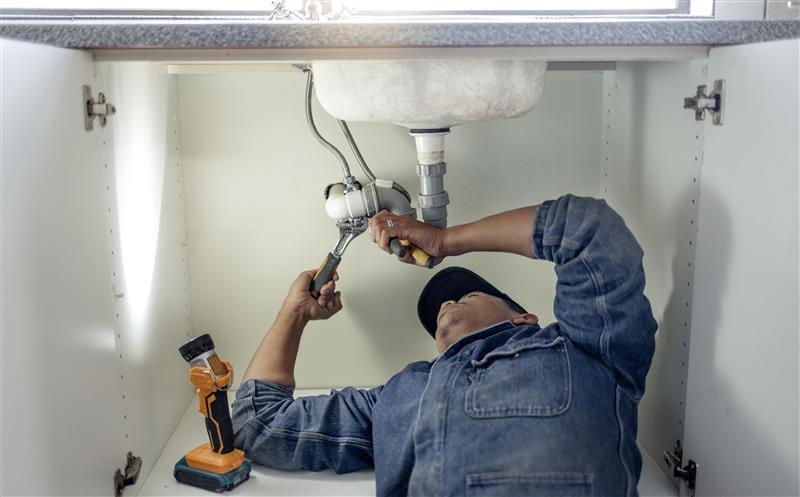
We act as a commercial plumber for many local and residential businesses
Water Heater Repair & Installation in Fremont, CA
Hot water is an essential part of modern living. From a warm shower in the morning to running the dishwasher after dinner, your water heater works silently in the background to provide comfort and sanitation. When this system fails, it is immediately noticeable and highly disruptive. At Fremont Plumbing and Air Pros, we specialize in comprehensive water heater repair and installation services. We are dedicated to ensuring that the residents and businesses of Fremont have reliable access to hot water year round.
Water Heater Repair and Installation in Fremont, California
We are Fremont Plumbing and Air Pros, and we are the trusted local water heater experts in Fremont. Water heaters in this city take real abuse. The mineral content in our local water leaves scale on heating elements and burners and shortens the service life of every tank in town. Most units tucked into garages and hallway closets fail with little warning, and the symptoms range from lukewarm showers to active leaks across a finished floor. The right plumber catches the early signs, runs a real diagnostic, and tells you honestly whether you are looking at a repair or a replacement.
We work on tank, tankless, gas, and electric units across every Fremont neighborhood we serve. Older homes in Niles with original 40 gallon tanks in tight closets. Slab houses in Centerville with units in attached garages. Hillside builds in Mission San Jose that switched to tankless during a remodel. Two stories in Irvington and Warm Springs where the run from the heater to the master bath is long enough to make tankless a real comfort upgrade. Whatever your situation, your local plumbers and HVAC pros you can count on for water heater work are one call away.
Common Water Heater Problems We Fix in Fremont
Below is a closer look at the water heater situations we run most often. Each one calls for a different diagnostic approach, and finding the cause behind the symptom is what makes a repair hold.
No Hot Water or Insufficient Hot Water
A morning with no hot water is one of the most disruptive plumbing situations a household runs into. Sometimes the failure is total. Sometimes the first shower of the day is fine and the second is cold. Sometimes the hot water runs lukewarm at every fixture. Each version of the symptom points to a different underlying cause.
Recognizing the Problem
- No hot water at any fixture in the morning
- Hot water that runs cold within seconds of turning the tap
- Lukewarm showers that used to be hot
- One bathroom getting hot water while another stays cold
- Recovery times that have doubled in the last year
- Hot water available only for the first user each day
- Temperature swings during a single shower
- Tankless unit displaying an error code on the control panel
- Reduced volume even on what should be hot taps
Our diagnostic checks the thermostat settings, the heating element or burner condition, the dip tube, and the anode rod on tanks. On gas units we verify the burner is firing correctly and combustion is clean. On tankless we read the error code and test flow sensors, gas pressure, and the heat exchanger. Most no hot water calls get resolved in a single visit because the cause is usually a specific component rather than the whole system.
Leaking Water Heater
A leaking water heater is the call that can turn into real property damage fast. A small drip from a connection is one situation. A tank that has split open and is pouring its contents onto a garage floor is another entirely. Catching the early signs of a leak makes the difference between a contained repair and a flood across finished space.
Recognizing the Problem
- Water pooling under the tank that grows visibly
- Wet spot on the floor near the base of the unit
- Active dripping from a connection at the top of the tank
- Relief valve discharging water continuously
- Drip from the temperature pressure relief discharge tube
- Rust staining around the base where water has been escaping
- Water heater that visibly leans or has shifted on its stand
- Steam venting from the relief discharge tube
- Mildew smell from the closet or garage where the unit lives
Leaks at the top connections, the dielectric unions, or the relief valve are usually repairable. Leaks from the bottom shell of the tank itself mean the tank has corroded through and replacement is the only real answer. We identify the source quickly and tell you which kind of leak you actually have, then either repair or replace based on the situation.
Tankless Water Heater Issues
Tankless units are different from traditional tanks in almost every way that matters for service. They modulate output based on demand, they require minimum flow to fire, and they need annual descaling because of the mineral content in Fremont water. When a tankless unit starts misbehaving, the symptoms often look different from what homeowners are used to with tank systems.
Recognizing the Problem
- Error code flashing on the control panel
- Cold water sandwich between hot draws
- Unit firing but not producing the expected hot water volume
- Repeated lockouts that require manual reset
- Reduced flow at hot taps with no clog in the lines
- Loud kettling or boiling sounds inside the unit
- Unit that has not been descaled in over a year
- Combustion air or vent issues triggering shutdowns
- Loss of capacity during back to back showers
Tankless diagnostics involve reading the error history, checking flow sensors and gas pressure, inspecting the heat exchanger for scaling, and verifying the venting and combustion air supply. Annual descaling is essential to keep the unit running at rated capacity, and a lot of repair calls we run are tankless systems that simply needed flushing rather than component replacement.
Rusty or Discolored Hot Water
Discolored hot water that runs clear when you switch the tap to cold is almost always coming from the water heater itself rather than the supply system. The cause is usually one of two things: the anode rod has been consumed and the tank lining is starting to corrode, or sediment that has accumulated in the bottom of the tank is getting stirred up during use.
Recognizing the Problem
- Brown or rust colored water from hot taps only
- Discoloration worse first thing in the morning
- Metallic taste in the hot water
- Hot water that improves after running for a few minutes
- Visible rust staining in bathtubs and sinks
- Tank that has not been flushed in many years
- Water heater that is over 8 years old
- Discoloration in laundry done in hot water
- Sulfur smell along with the discoloration
We inspect the anode rod and replace it if it has been consumed, flush the tank to remove sediment, and assess whether the internal tank lining has begun to fail. An anode rod replacement and flush can extend tank life significantly when caught early. A tank where the internal lining is already failing typically needs replacement rather than continued repair.
Strange Noises from Water Heater
Water heaters should run quietly. Popping, banging, rumbling, hissing, or kettling sounds are the unit telling you something is wrong. The exact noise tells us a lot about the cause, which is why describing the sound carefully when you call helps us route the right diagnostic.
Recognizing the Problem
- Popping or rumbling during the heat cycle
- Loud banging that happens after the unit runs
- Hissing sound from a gas unit when the burner fires
- Whining noise from inside the tank
- Kettling sounds that resemble a tea pot
- Tapping from inside the unit during heating
- Noise that has gotten progressively louder over months
- Sound that is loudest right after a heavy hot water draw
- Unusual sounds from a tankless heat exchanger
Popping and rumbling almost always mean sediment buildup at the bottom of the tank that is creating steam pockets. Flushing the tank usually resolves it. Hissing from gas units may indicate a small leak in the gas connections, and we treat that immediately. Kettling on tankless units points to scaling in the heat exchanger that needs flushing. The right diagnostic identifies which one is actually happening.
Reach out to us for assistance.
Pilot Light Problems (Gas Water Heaters)
Older gas water heaters with standing pilots have a specific failure pattern. The pilot will not stay lit, the thermocouple fails, the gas valve gets tired, or the flame becomes unstable. Newer units use electronic ignition that has its own failure modes. Either way, a gas water heater that will not stay running on a cold morning gets a fast call to us.
Recognizing the Problem
- Pilot that will not stay lit after releasing the gas valve button
- Pilot that lights and goes out within minutes
- Electronic ignition unit failing to spark
- Visible flame that has turned yellow instead of blue
- Gas valve that no longer responds to the thermostat
- Repeated lockouts on a newer electronic ignition unit
- Faint gas smell near the bottom of the heater
- Soot stains on or around the burner area
- Carbon monoxide alarm activating near the unit
If you smell gas or suspect a gas leak, go outside immediately and call 911 – this is a serious emergency that needs urgent attention from the gas company. For pilot and ignition issues we test the thermocouple, clean the burner assembly, verify gas pressure, and inspect the venting. Combustion analysis catches problems that visual inspection misses. We do not put a gas unit back into service that fails a safety check.
Water Heater Not Turning On
A water heater that does nothing when there is a call for heat could be an electrical issue, a control issue, a gas supply issue, or a safety lockout that has been triggered. Total non response is actually one of the easier diagnostics because the failure point is usually upstream of the heating elements themselves.
Recognizing the Problem
- Electric unit with no power indicator lit
- Tripped breaker on the electrical panel
- Reset button popped on an electric unit
- Gas valve that will not energize
- Thermostat showing no response when adjusted
- Control board with no display on a newer unit
- Unit recently affected by a power surge
- System that was working yesterday and not today
- Pilot light out with no obvious cause
We check power at the disconnect, the breaker, the thermostat, the high limit switch, and the heating element or gas valve. A failed high limit switch is one of the most common causes of total non response on electric units. On gas units, a tripped safety often points to a venting or combustion issue that needs attention before the unit is put back into service.
Sediment Buildup and Poor Performance
Sediment is the slow killer of water heaters across Fremont. Minerals settle out of the water and accumulate at the bottom of the tank, where they form a layer that the burner has to heat through. The result is reduced efficiency, popping noises, slower recovery, and eventually a shortened tank life because the bottom of the steel is constantly overheated.
Recognizing the Problem
- Recovery times that have noticeably slowed over the years
- Popping or rumbling during heating
- Higher gas or electric bills with no usage change
- Tank that has not been flushed in many years
- Reduced hot water volume even at full temperature
- Discoloration when flushing from the drain valve
- Hot water that runs out faster than it used to
- Unit that was right sized originally but no longer keeps up
- Tankless heat exchanger flowing slower than rated
For tanks we drain and flush to remove the accumulated sediment, inspect the drain valve and replace it if it has corroded, and check the anode rod condition. For tankless units we run a descaling flush with the appropriate solution to clean the heat exchanger. Annual flushing is the single most impactful piece of maintenance for water heater longevity in this area.
Water Heater Repair vs Replacement in Fremont
Not every water heater problem needs a new unit. Anode rod replacement, sediment flush, thermocouple replacement, heating element swap, dielectric union repair, and pilot system service are all repair conversations. Tank shell leaks, units past 12 years with multiple component failures, and tanks with severe internal corrosion are replacement conversations.
The honest math compares the cost of the repair against the realistic remaining life of the unit. A 6 year old tank with a single failed component almost always gets repaired. A 13 year old tank with sediment popping, a tired anode, and slow recovery often makes more sense to replace before the inevitable leak shows up. We tell you which side of that line your unit falls on rather than steering toward the bigger job.
Tankless Water Heater Installation and Repair
Tankless water heaters are a strong fit for many Fremont households. They save space, deliver endless hot water during back to back showers, and last longer than tanks when maintained properly. The catch is annual descaling, which is required because of our local water chemistry, and the install itself is more involved than a tank swap. Gas line resizing, new venting, electrical work, and condensate drainage on condensing models all come into play. We install and service every major tankless brand sold in this area, and we walk through whether tankless actually fits your specific home before recommending it. For a smaller condo with modest hot water demand, a quality tank may still be the better answer. For a larger household with multiple bathrooms, the comfort improvement is significant.
Water Heater Installation Services in Fremont
New water heater installation covers tank for tank replacements, switches from electric to gas or gas to electric, and conversions from tank to tankless. Every install starts with right sizing for the household demand, then moves through code compliant venting, proper seismic strapping for Fremont, expansion tanks where required, and clean connections at every joint. We test the new unit through multiple heat cycles and a real combustion analysis on gas units before calling the job done. The result is an install that delivers full rated performance from day one and keeps performing for the life of the equipment.
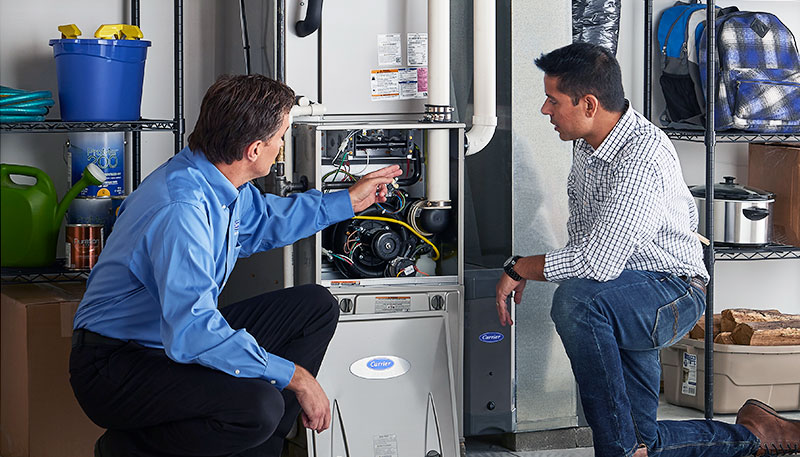
Why Fremont Homeowners Choose Fremont Plumbing and Air Pros for Water Heater Service
Honest Repair Versus Replace Conversations
A Niles homeowner called us last spring expecting to replace her 8 year old tank because the recovery had slowed significantly. We flushed years of sediment, replaced a consumed anode rod, and the unit has run normally ever since. Another customer in Warm Springs got the opposite recommendation because his 14 year old tank had a slow leak from the bottom shell. Same approach, different right answer.
Combustion Safety on Every Gas Job
A gas water heater that heats well but vents poorly puts carbon monoxide into the closet or garage. Real combustion analysis on every gas service or install, careful venting inspection, and a refusal to put any unit back into operation that fails a safety check. That standard takes extra time. It is not optional on our jobs.
Stocked Trucks for One Visit Repairs
Our trucks carry the most common thermocouples, heating elements, anode rods, dip tubes, dielectric unions, and supply line components. Most repair calls get resolved on the first visit instead of becoming a parts run.
Right Sizing on Every Install
A water heater that is too small never catches up during high demand mornings. One that is too big costs more to run and reheat. We size new units to the household demand and the specific usage pattern, including back to back showers, laundry timing, and dishwasher runs.
Code Compliant Installs That Hold Up
Seismic strapping correctly placed and anchored for our area. Code compliant venting that pulls combustion gases fully out of the home. Expansion tanks where the supply system calls for them. Sediment traps on gas connections. Permits where required. The details matter every time you draw hot water for the next decade.
Our Water Heater Service Process in Fremont
Step One: Real Phone Conversation
You call, we ask the right questions to understand what is happening, route the right tech with the right parts, and give you an honest arrival window. Emergency leaks get immediate shutoff guidance over the phone.
Step Two: On Site Diagnostic
The tech walks the unit with you, runs the diagnostic that matches the symptom, and identifies the actual cause before any work begins.
Step Three: Clear Options and Approval
We explain what we found, present repair or replacement options where both apply, and walk through realistic timelines. Nothing happens before your go ahead.
Step Four: Quality Work and Real Testing
We do the work, test through multiple heat cycles, run combustion analysis on gas units, and verify the unit performs as it should under real demand.
Step Five: Walkthrough and Maintenance Plan
We walk you through how the unit operates, where the shutoffs are, what the annual maintenance interval is, and what to watch for. Old units leave with us.
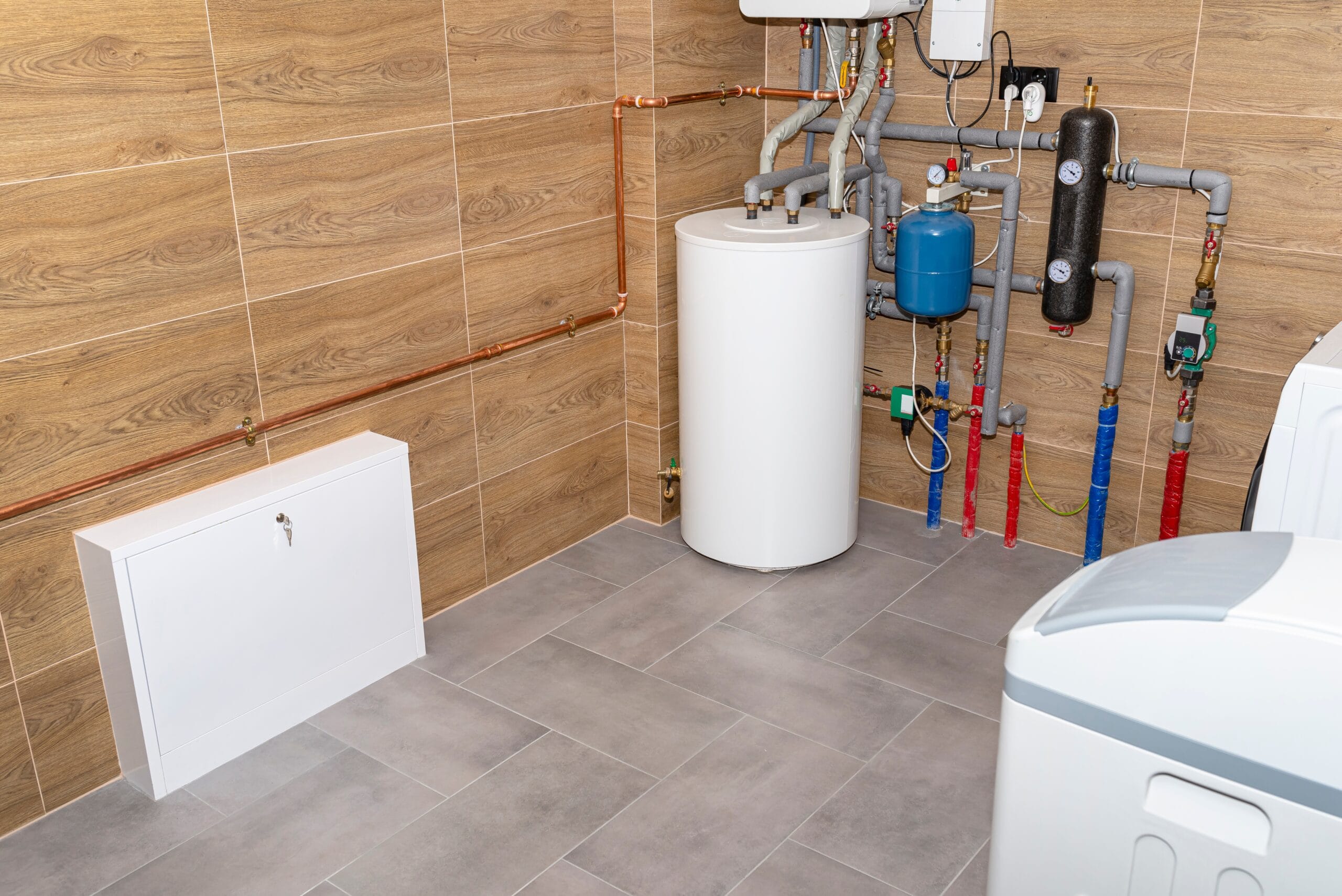
Water Heater Service Area in and Around Fremont, California
Our water heater service covers every neighborhood inside Fremont and reaches into the nearby East Bay cities where our customers live and own property.
- Fremont, including Mission San Jose, Niles, Centerville, Irvington, Warm Springs, Ardenwood, Brookvale, Cherry-Guardino, Glenmoor, Sundale, and Parkmont
- Newark
- Union City
- Milpitas
- Hayward
- Sunol
- San Lorenzo
If you are nearby and unsure whether you fall inside our service area, call us. We will tell you straight.
Professional Water Heater Repair vs DIY Attempts
Some water heater maintenance is reasonable homeowner work. Setting the thermostat to a sensible operating temperature, vacuuming dust away from the burner area on a gas unit, and visually checking for water around the base every few months are all things any homeowner can do without tools. None of that needs a service call.
Real repair work is a different conversation. Gas connections are the first hard line. A water heater burns gas, and any work on the gas valve, the supply line, or the burner carries real risk if done wrong. Combustion safety is the second. The only way to confirm safe operation on a gas unit is with a real combustion analyzer used by a tech trained to read it, and a homeowner cannot verify safe venting without that equipment.
The third issue is the installation itself. A tank installed without proper seismic strapping, without an expansion tank where one is required, with reversed venting, or with the wrong gas pressure can fail catastrophically. Stories from this area include water heaters that toppled during seismic events because they were not strapped, units that backdrafted carbon monoxide because the venting was wrong, and tanks that ruptured because no expansion tank was installed. None of those should ever happen on a real install.
The fourth piece DIY misses is sizing. Matching whatever was there before perpetuates the original sizing decision, which may have been wrong from the start. Real sizing considers household demand, simultaneous use patterns, and recovery requirements. Without that calculation, the new unit may underperform from day one.
The honest line is that basic awareness and temperature setting are reasonable homeowner work. Installation, gas work, electrical work, and any troubleshooting beyond a tripped breaker reset benefit from a real plumber.
Plumbing Pro Services
Complete Plumbing Care for Your Entire Home
Whether it’s the kitchen, bathroom, or sewer line, we have the tools and training to handle any challenge your plumbing system throws at us.
We Deliver Expert Results
Don’t gamble with your plumbing. We combine years of experience with modern technology to deliver lasting repairs and installations. Our team respects your time and your property.
- Fixture Installation
- Leak Detection
- Modern Diagnostics
- Drain Cleaning
Frequently Asked Questions About Water Heater Repair and Installation in Fremont
How long does a water heater installation usually take?
A straightforward tank for tank replacement runs three to four hours including haul away. Switching to tankless takes longer because of venting, gas line resizing, and wall mounting, usually a full day. We tell you upfront which one your job will be.
Is a tankless water heater worth it in Fremont?
For many households yes. Tankless saves space, delivers endless hot water, and lasts longer when maintained. Annual descaling is required because of our local water. We walk through whether your specific situation fits before recommending it.
How fast can you get to my Fremont home for water heater service?
Same day in most cases. Active leaks get within the hour response. Real arrival windows that we hold.
How long should a water heater last?
A quality tank installed and maintained runs 10 to 12 years in this area, sometimes longer with annual flushing. Tankless units run 15 to 20 years with proper descaling. Lack of maintenance shortens both significantly.
What size water heater do I need?
Depends on the number of bathrooms, household size, and simultaneous use patterns. A four person household with two bathrooms typically wants a 50 gallon tank or a properly sized tankless. We run the actual numbers for your specific situation.
Is there a water heater company near me that handles tankless?
We do. Tankless installation, repair, and annual descaling are all regular work for our team across this city.
Why does my water heater make popping sounds?
Sediment at the bottom of the tank creating steam pockets. A flush usually resolves it. Letting it continue without addressing it shortens tank life because the steel overheats below the sediment layer.
Should I flush my water heater myself?
If you are comfortable with the steps and have a good drain valve, basic homeowner flushing is reasonable. If the drain valve is old or has not been opened in years it may not seal again, and at that point a service call is the safer route.
Do you handle permits on water heater installations?
Yes. Water heater installations in Fremont require permits, and we handle the paperwork as part of the install. Permitted, inspected work protects you at resale.
What brands do you install?
All major residential brands. We are not locked into one manufacturer, which means our recommendation reflects what fits your house and your goals.
What about gas connections during a water heater swap?
Gas work is part of every gas water heater install. We pressure test, leak check with proper solution, and verify the system is operating correctly before signing off.
Will a new water heater lower my energy bills?
If the old unit was significantly less efficient or had heavy sediment, yes. Modern units run at improved efficiency, and a properly maintained new system uses less gas or electricity than a tired old one.
Hot Water When You Need It
A water heater that delivers hot water on demand without surprises is one of those parts of a home you should never have to think about. A failing or wrong sized unit shows up in your day every time you take a shower. The keys to a unit that holds up are honest repair versus replace conversations, real combustion safety on gas equipment, annual maintenance that actually gets done, and a local team that has worked on enough Fremont water heaters to know what holds up over the long run.
Whether your unit has lost capacity, is making sounds it should not, has started leaking, or has reached the end of its run and needs replacement, we are the team that will give you the honest answer and do the work right.
Zip codes we serve: 94536, 94537, 94538, 94539, 94555, 94560, 94587, 94544, 94545, 94546, 94541, 94542, 94543, 94557, 94586, 94035, 94038, 94039, 95035, 95036